Micronutrients from Whole Food Sources
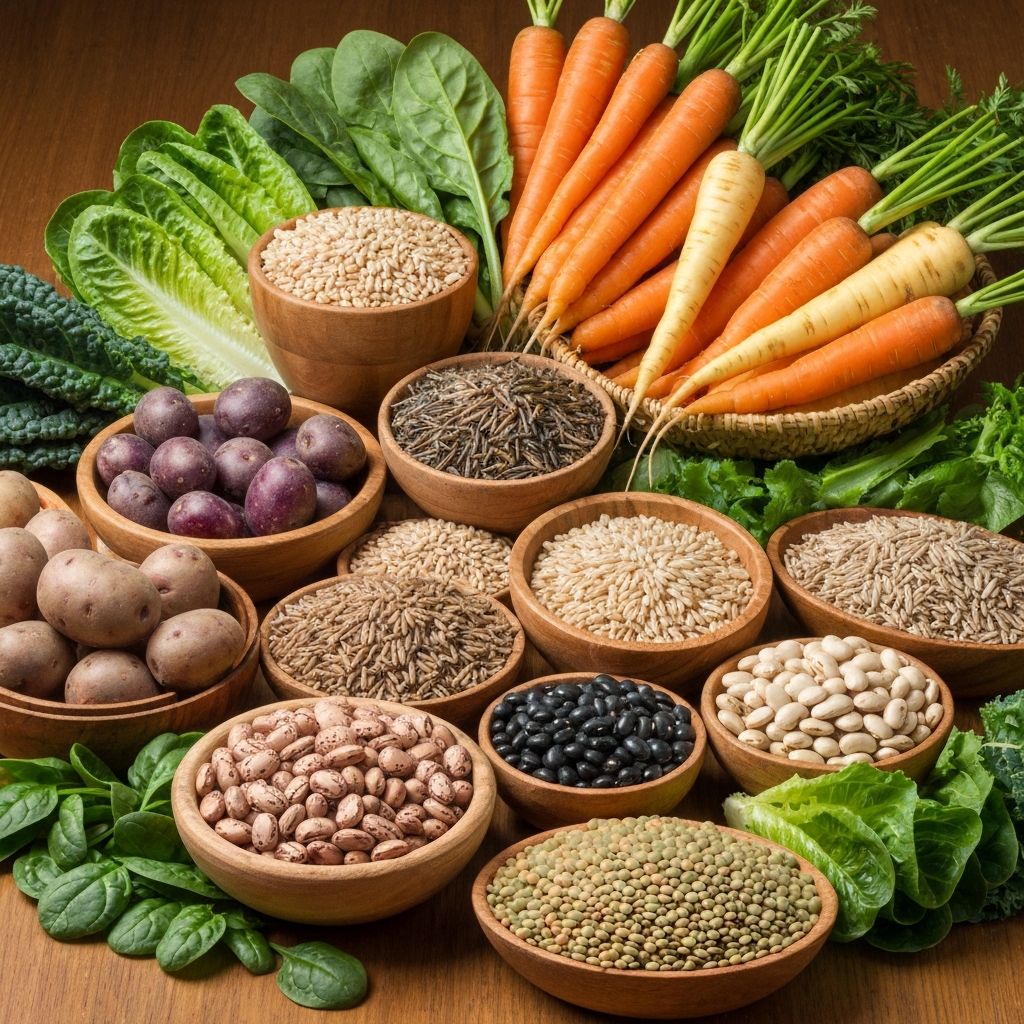
Understanding Nutrient Density
Nutrient density describes the concentration of vitamins, minerals, and other essential nutrients relative to the energy (calorie) content of a food. Whole foods, particularly plant-based sources, typically demonstrate high nutrient density when compared to refined or processed alternatives.
The retention of nutrient-containing components during minimal processing contributes substantially to this density. Whole grains retain their bran and germ containing B vitamins, minerals, and phytonutrients. Unpeeled vegetables and fruits retain skin and just-beneath-surface layers rich in various micronutrients and bioactive compounds.
Key Micronutrients from Whole Plant Sources
B Vitamins in Whole Grains: Minimally processed grains including oats, barley, brown rice, and wheat berries retain their germ and bran layers, which concentrate B vitamins including thiamine, riboflavin, niacin, and folate. These vitamins support energy metabolism and various other physiological processes.
Minerals in Root Vegetables: Root vegetables including carrots, beetroot, turnips, and parsnips provide concentrated sources of potassium, manganese, and other minerals. These minerals support various metabolic processes and physiological functions.
Iron and Magnesium in Leafy Greens: Dark leafy vegetables including spinach, kale, and other greens contain substantial quantities of iron and magnesium. These minerals support oxygen transport and energy metabolism, among numerous other physiological roles.
Polyphenols and Phytonutrients: The pigmented compounds in colourful whole foods including anthocyanins, carotenoids, and flavonoids represent a diverse class of bioactive compounds. While not essential nutrients in the strict sense, these compounds influence various metabolic processes.
Micronutrient Bioavailability from Whole Foods
The bioavailability of micronutrients from whole food sources depends on several factors including the nutrient's chemical form, the presence of absorption enhancers or inhibitors, and individual digestive and absorptive capacity.
Some micronutrients in whole foods exist in less immediately bioavailable forms compared to isolated supplements. For example, non-haem iron from plant sources has lower bioavailability than haem iron from animal sources. However, the presence of vitamin C and other compounds in whole plant foods can enhance iron absorption.
The intact food matrix may limit micronutrient absorption compared to isolated nutrient forms, but whole foods provide numerous other beneficial compounds that work in synergy. The complex interactions among food components may produce physiological effects that exceed the sum of individual nutrient contributions.
Mineral Contributions from Different Plant Sources
Legumes and Seeds: Beans, lentils, and seeds provide concentrated sources of magnesium, zinc, and phosphorus. These minerals support various metabolic processes and contribute substantially to daily mineral intake when consumed regularly.
Leafy Vegetables: Beyond iron and magnesium, leafy greens provide calcium, potassium, and trace minerals. The nutrient profile varies across different types of leafy vegetables, suggesting the value of consuming diverse plant sources.
Whole Grains: Grains retain mineral-rich components including manganese, phosphorus, and magnesium when processed minimally. The nutrient density of grains varies across different types and species.
Antioxidant and Anti-inflammatory Compounds
Whole plant foods contain hundreds of bioactive compounds including flavonoids, phenolic acids, and other polyphenols. These compounds possess antioxidant and anti-inflammatory properties in laboratory and some animal model studies.
The physiological significance of these compounds in whole food consumption patterns remains incompletely understood. Individual bioavailability of these compounds from food sources varies considerably based on food preparation, individual digestive factors, and other variables.
Individual Variation in Micronutrient Absorption
Genetic variation affects the efficiency of micronutrient absorption and metabolism. Variations in transporter and enzyme genes influence how effectively individuals absorb and utilise various micronutrients from dietary sources.
Health status, digestive function, and previous dietary patterns all influence current micronutrient absorption and utilisation efficiency. Individuals with digestive disorders may have compromised micronutrient absorption regardless of dietary quality.
Educational Context
This article presents information about micronutrient composition of whole foods for educational purposes. The content describes the nutrient profiles of various plant sources. Individual micronutrient needs and absorption efficiency vary considerably based on genetic and health factors. This article does not constitute nutritional counselling or advice.
Related Articles
Learn more about food matrix and nutrient release or explore whole foods and metabolic markers.